

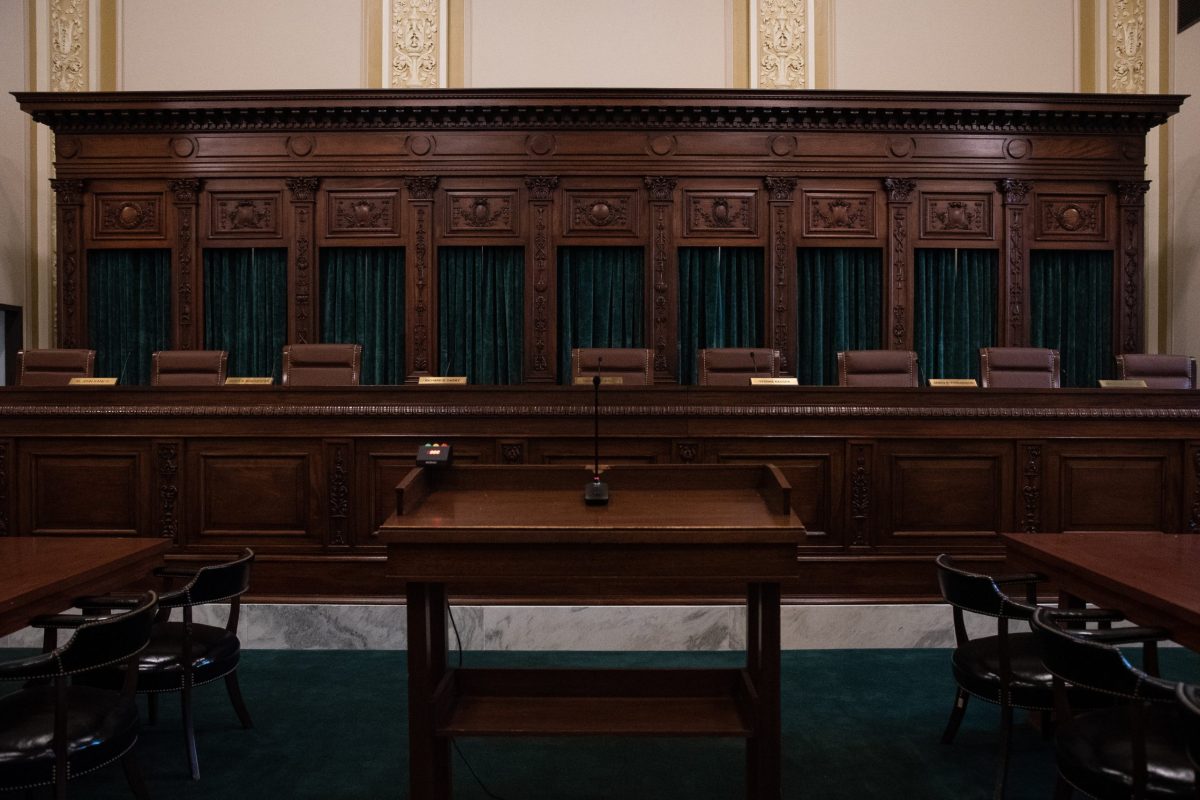

The Oklahoma Supreme Court will hear oral arguments on the constitutionality of Senate Bill 1027, the legislation that added geographic restrictions and other hurdles to the state’s initiative petition process, tomorrow morning at 10 a.m.
Supporters of the primary reform initiative petition State Question 836, which is in the signature gathering phase, filed a lawsuit against SB 1027 in June. They argue the legislation unduly burdens petitioners and therefore curtails free speech.
The high court granted the State Question 836 campaign’s request for exemption from Senate Bill 1027, noting that the campaign began before the law took effect. Senate Bill 837, the unsuccessful effort to get a recreational marijuana question on the ballot, was the first campaign to operate under the new rules.
“SB1027’s signature caps limit signatures collected from any county to specific percentages of that county’s gubernatorial votes, effectively prohibiting other legal voters from signing the petitions once county limits are reached,” the lawsuit reads. “This disenfranchisement directly contradicts the Constitution’s plain text that all legal voters shall have the right to propose initiatives and referenda.”
The state maintains that the law should remain untouched, calling the petitioner’s arguments flawed and hypothetical.
“A person in Tulsa County is just as statistically likely to be able to sign, meaningfully, a petition as a person in Cimarron County,” the state’s response reads. “This is a far cry from the unequal treatment of similarly situated individuals which is at the heart of equal protection challenges.”
Several Democratic lawmakers noted the potential for litigation while debating against Senate Bill 1027 on the House and Senate floors. Sen. David Bullard, a Republican from Durant who ran Senate Bill 1027, responded that he was confident the bill would withstand any legal challenges.
Zach West, the Director of Special Litigation for the Attorney General’s office, will argue on their behalf of the state. Attorney Randall Yates from the firm Crowe and Dunleavy will speak on behalf of the petitioners. They’ll both have 20 minutes for arguments and rebuttals.
The hearing will take place in the Supreme Court Courtroom on the second floor of the State Capitol. Video recordings of arguments are generally made available on the OSCN website.
You can reach me at Kross@Oklahomawatch.org with thoughts, questions or story ideas.
— Keaton Ross
Recommended Reading
- Tremane Wood spared from execution with minutes to spare: In a dramatic turn, Oklahoma Governor Kevin Stitt granted clemency to Tremane Wood less than an hour before his scheduled execution. He’ll now serve life in prison without the possibility of parole. [The Frontier]
- Panel approves over $500,000 in raises for Oklahoma statewide officials: The newly formed Statewide Official Compensation Commission voted to increase salaries for future statewide elected officials by at least 25%, noting that officials haven’t received a pay increase since 2009. The changes won’t take effect until after the 2026 election. [Oklahoma Voice]
- Judge failed to disclose personal ties to prosecutor in two death-row cases: Oklahoma County District Judge Susan Stallings had undisclosed travel and a long-standing relationship with prosecutor Fern Smith, according to attorneys for Richard Glossip, raising serious concerns about the judge’s ability to remain impartial. The revelations came during a recusal hearing and spotlight a broader pattern of prosecutorial misconduct in Oklahoma. [The Intercept]
Help Us Make a Difference
Oklahoma needs high-quality investigative journalism. That is our mission at Oklahoma Watch. We produce stories that hold government and public officials accountable and that make transparent what some prefer to keep secret. We depend on financial support from readers like you to sustain our coverage. Help us make a difference.

