


This article was originally delivered to subscribers of our Education Watch newsletter. Sign up now to receive Education Watch directly in your inbox.
Policymakers are looking to build on the success of the statewide school cell phone ban and are turning attention to the other screens in the classroom.
The two lawmakers behind the cell phone ban, Sen. Ally Seifried and Rep. Chad Caldwell, teamed up again for an interim study in October on student learning in a digital age. Seifried, R-Claremore, said she’s keeping an open mind, but much of the discussion focused on limiting screen time in schools to improve student learning.
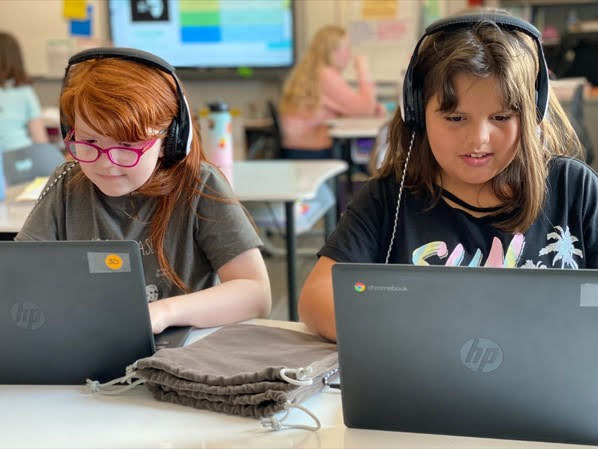
School districts invested heavily in ed tech during the pandemic to facilitate virtual schooling. The state, too, has spent millions on virtual education programs. But neuroscientist Jared Horvath argued for a return to old-school methods of teaching and learning, like handwriting and reading physical books.
“If you really want to future-proof kids, don’t teach them how to use tools, keep education general and focused on learning,” Horvath said.
Rep. Ellen Pogemiller, D-Oklahoma City, who attended the study, said her constituents are asking for low-tech schools, too.
“I’m starting to get the pendulum swinging the other way, where families are not wanting their kids on Chromebooks anymore,” Pogemiller said.
Addressing the overuse of tech in classrooms is one way policymakers might improve student literacy rates, among the lowest in the country.
Other strategies abound. The State Chamber announced a focus on student literacy, but they’ve floated ideas likely to directly conflict with legislative efforts, such as retaining struggling readers and leaning on digital learning and AI-enabled tools to support teachers’ instruction. The superintendent of schools, Lindel Fields, said policymakers could consider extending the school year to improve reading rates. Meanwhile, some teachers say they need smaller class sizes and more support for students with behavior issues.
Questions, comments, story ideas? Please reach out via email.
Programming note: Education Watch will be on hiatus through the New Year but will return in January. Happy holidays!
— Jennifer Palmer

Recommended Reading
- Controversial academic standards for social studies are unenforceable because Oklahoma’s top school board violated state open meeting laws when approving them, the state Supreme Court decided Tuesday. [Oklahoma Voice]
- For years, conservatives have been trying to inject faith-based teachings into public classrooms, despite the laws prohibiting it. One of those efforts reached the Supreme Court this year in an unsuccessful attempt to establish the nation’s first religious charter school. Now, a religious public school in Colorado has managed to do what other like-minded groups have failed to do — open. [The Washington Post]
- Three Tulsa-area Republicans with oversight of education policy or appropriations told a Jenks audience that they believe it is time — or even past time — for Oklahoma teachers to receive a pay raise. [Tulsa World]

Help Us Make a Difference
Oklahoma needs high-quality investigative journalism. That is our mission at Oklahoma Watch. We produce stories that hold government and public officials accountable and that make transparent what some prefer to keep secret. We depend on financial support from readers like you to sustain our coverage. Help us make a difference.

