
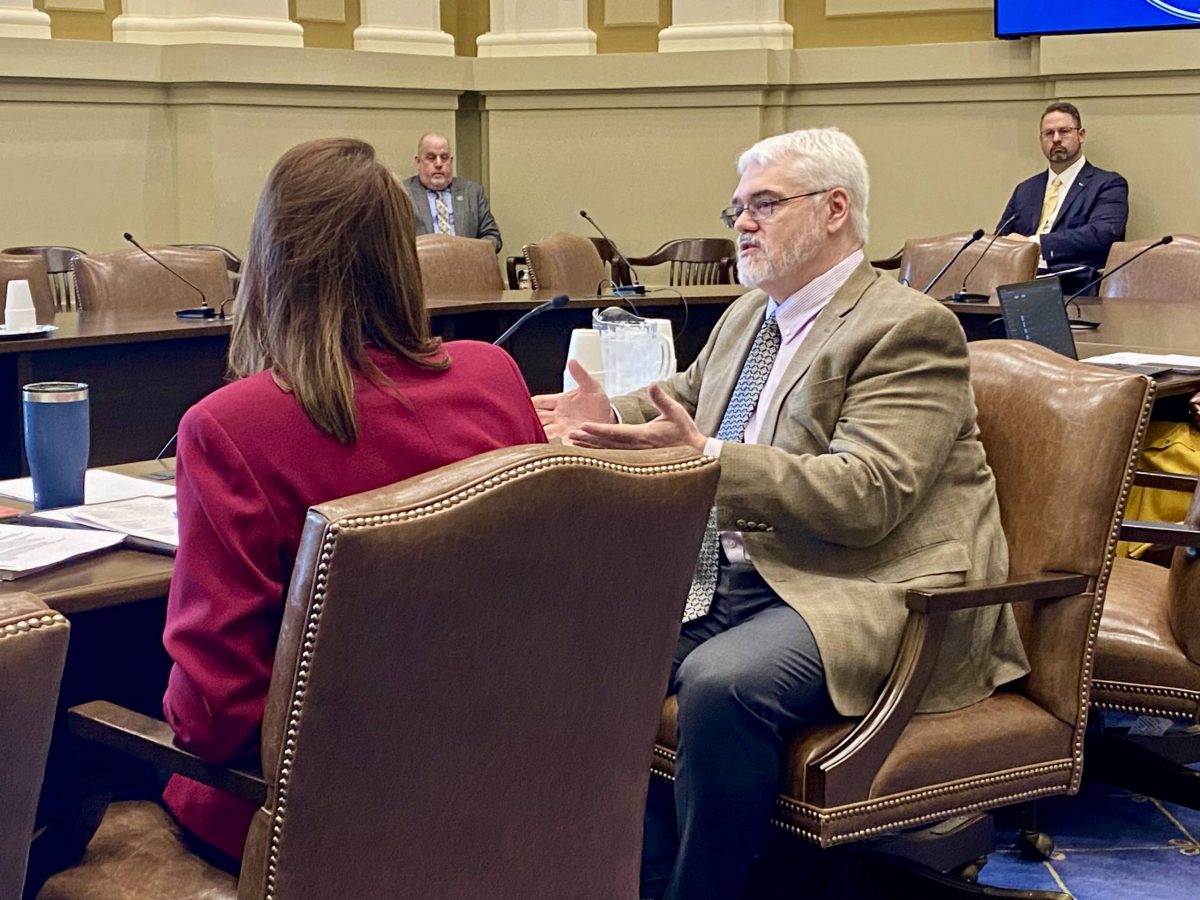

Members of an investment board that manages Oklahoma’s $2 billion tobacco settlement trust have put five asset managers on notice over their voting policies on shareholder resolutions, largely because they won’t commit to so-called Oklahoma values on the votes.
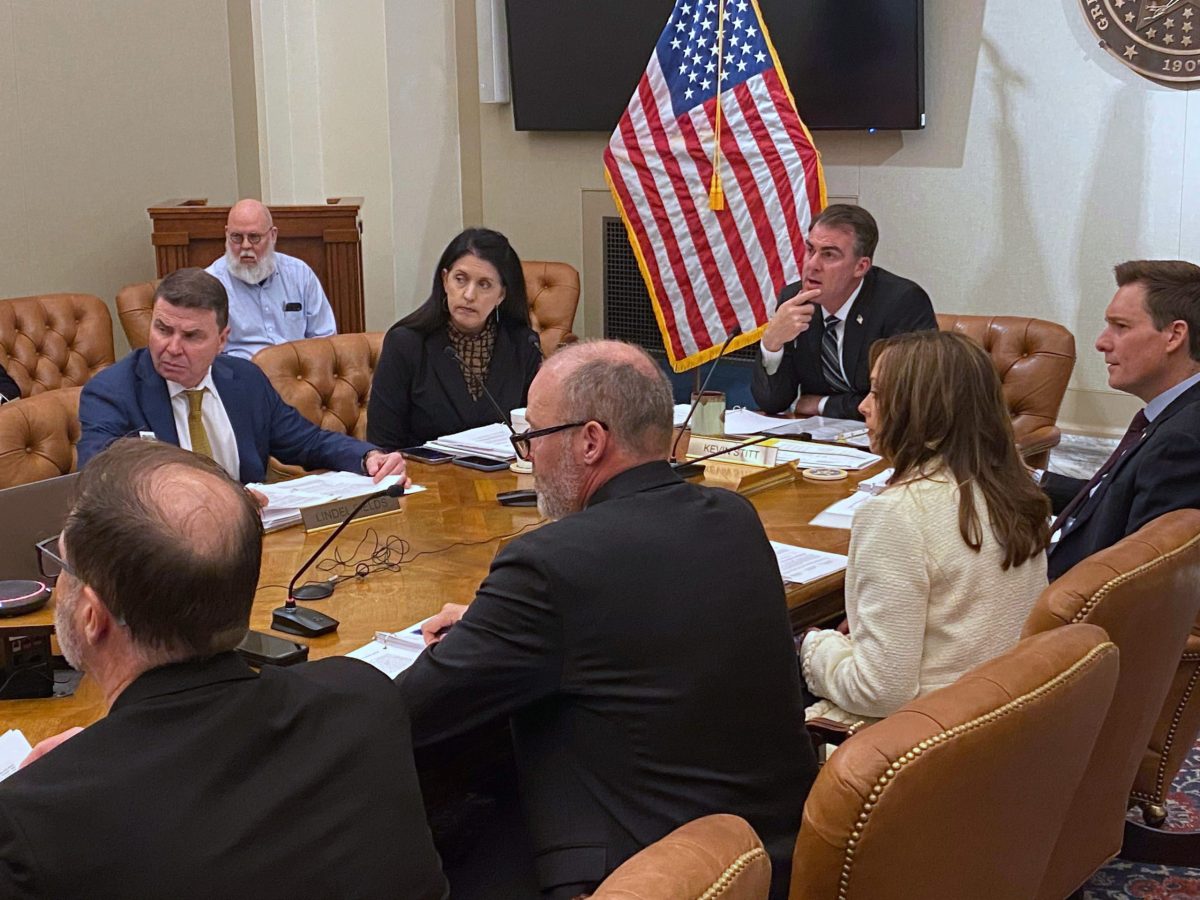
In a 4-0 vote, the TSET Board of Investors directed its investment consultant, Innovest, to ask the asset managers to instead use proxy voting advice from Vident Asset Management, a Georgia-based financial firm. The asset managers either use their own research for shareholder resolutions or one of the two major proxy-advisory firms, ISS or Glass Lewis.
The vote on Wednesday was the latest attempt by Oklahoma Treasurer Todd Russ, chairman of the TSET investment board, to use the tobacco trust to push back against what he said was an overly activist shareholder voting process that allowed environmental, social and governance policies to run amok in corporate boardrooms.
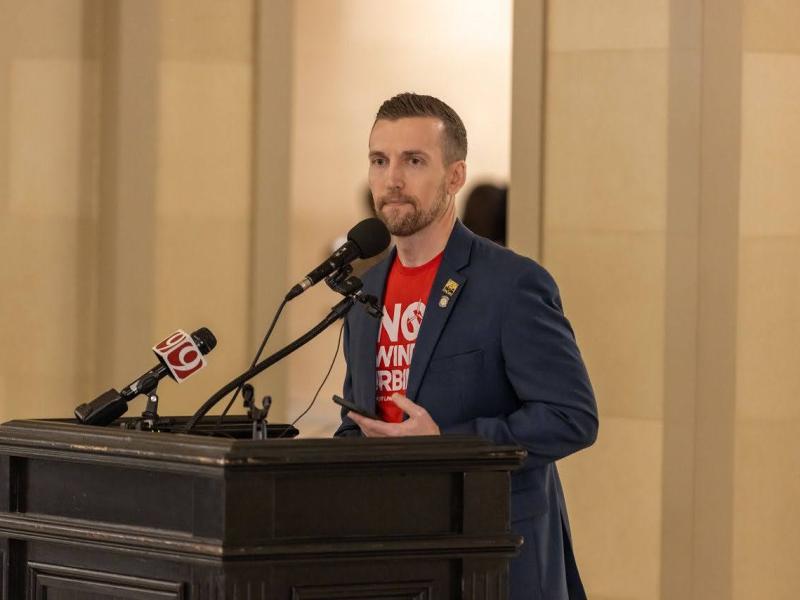
But the board meeting came a day after an Oklahoma City policy forum led by Prospr Aligned on ESG and proxy-voting strategies in public finance. Among the presenters at an afternoon panel on the “Oklahoma Narrative” were Russ, Innovest President Wendy Dominguez and Jerry Bowyer, whose Bowyer Research has provided shareholder resolution advice to the TSET investment board. Bowyer also heads corporate engagement and is a proxy expert for Prospr Aligned, an affiliate of Vident.
Through a spokeswoman, Russ declined to comment on his participation in the Prospr Aligned forum.


Other presenters at the policy forum at The National hotel in downtown Oklahoma City constituted a who’s-who of the conservative, anti-ESG movement. They included representatives of the State Financial Officers Foundation, the Heritage Foundation, Alliance Defending Freedom and the 1792 Exchange. Those groups have helped Russ with either talking points, policy papers or legal advice as he’s pursued his anti-ESG push. The Heritage Foundation in September awarded Russ its Courage Award, which it said “honors public servants who resist institutional and political pressure.”
Oklahoma Values
At Wednesday’s TSET Board of Investors meeting, Colorado-based Innovest said it targeted five of the trust’s 19 asset managers after asking if they would use alternative proxy voting guidelines that align with so-called Oklahoma values. The board hired Innovest earlier this year after dumping longtime investment consultant NEPC.
Publicly traded companies hold annual meetings to let shareholders have a say on routine matters such as executive pay, board of director elections and selecting audit firms. But shareholders can also ask securities regulators to put other items on the agenda, such as corporate statements on the environment or human rights.
Russ’ push for more oversight over the proxy-voting process comes as TSET delivered record earnings under the previous investment consultant NEPC and as asset managers voted on shareholder proposals that largely aligned with publicly traded company management. TSET’s assets grew by $200 million to $2.28 billion in fiscal year 2025, which ended June 30.
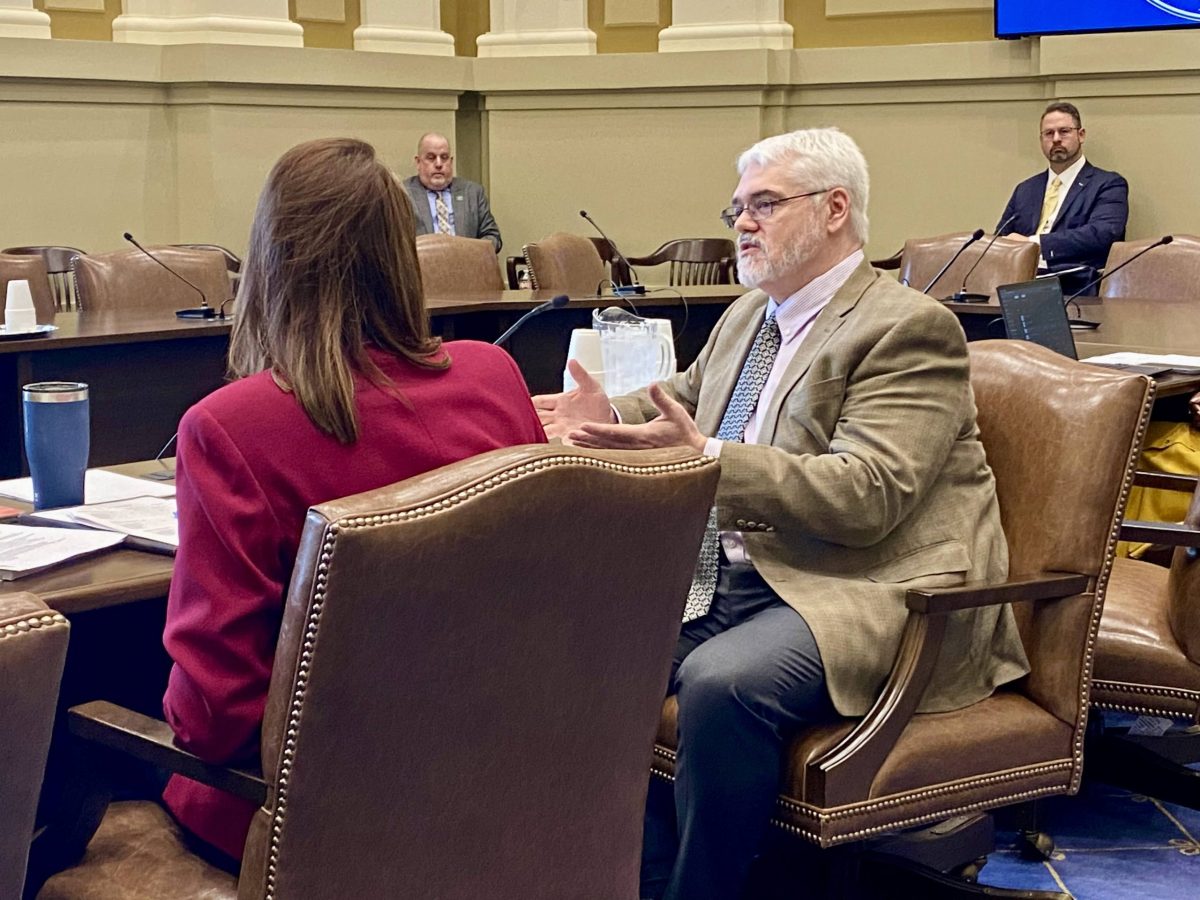
Innovest’s Dominguez presented options to the TSET investor board on how they might want to handle proxy voting. The options included continuing to delegate to investment managers or having the board decide on each proposal, an effort that could amount to thousands of shareholder proposals each year.
“I think we go to the five asset managers and say, ‘We would like you to use the Vident solution because there’s not anyone else doing it in lockstep with Bowyer Research,’” Dominguez said at Wednesday’s meeting.
Conflicts Dismissed
Although he voted for the motion, board member John Waldo asked numerous times if the board had gotten any clear answers on what constituted Oklahoma values. Russ and Bowyer conceded it was hard to define, but it generally meant investment policies that safeguard the interests of the state’s largest industries like oil and gas and agriculture.
Russ said it made sense for the TSET investment board to direct its investment managers to hire a proxy subadvisor like Vident, whose fees would be paid by the investment managers, not directly by the TSET investment board.
Bowyer said the current proxy voting process is an afterthought for most public investment trusts and pension funds. Many investment managers see it as a chore that slides down the list of priorities for their clients, he said.
“It’s extremely common for institutions to not know how their proxies are being voted,” Bowyer said. “And, when a (proxy voting) audit occurs, to be shocked.”
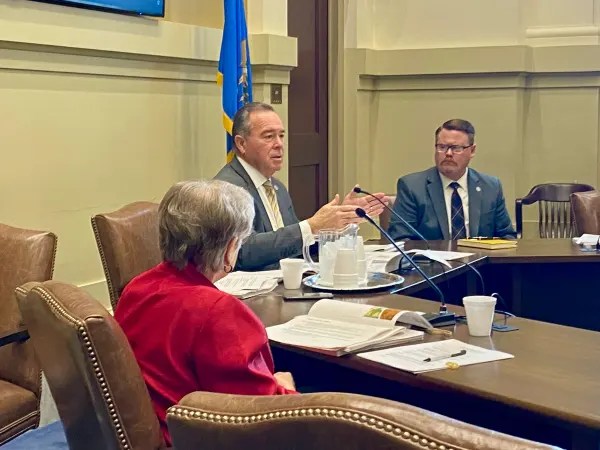
Bowyer said he had a conflict of interest with Vident because his firm already has a relationship with the company. He said the TSET investor board might have to take his advice with a grain of salt. Russ dismissed any concerns over conflicts.
“That relationship is between you and them, not us and them,” Russ said.
Still, the TSET investment board used Bowyer this year to audit proxy votes taken on the TSET investment board’s behalf. Russ’ office did not respond to a question on whether Bowyer was paid for that advice.
Innovest developed an Oklahoma Values Alignment Assessment for the TSET investor board that ranks the trust’s 19 asset managers. Its presentation said points were awarded based on the managers’ focus on shareholder value, avoidance of political or speculative agendas and responsible stewardship. It found eight of the managers were either minimally aligned or not aligned with Oklahoma values. Eleven were given the midpoint score of 3, or moderately aligned.
“In addition, since this trust benefits the people of Oklahoma, when selecting and monitoring investment managers, preference is given to those that publicly commit to the economic drivers and industries that benefit the state of Oklahoma,” the presentation said.
The Oklahoma values assessment drew heavily on scores developed by the 1792 Exchange, which replicates from the right corporate scorecards developed by groups such as the Human Rights Campaign, which advocates for LGBTQ+ equality and inclusion. The values assessment also downgraded firms if they had signed on to a United Nations-backed effort called the Principles for Responsible Investing.
Russ claimed victory earlier this month when Boeing Co. agreed to change its diversity, equity and inclusion policies for federal contracting after the TSET investment board in August voted for a shareholder proposal to investigate the policies.
“While preparing to file a proposal, we engaged Boeing respectfully and professionally, and the result is a win-win,” Russ said in a Nov. 10 news release. “The company strengthened its compliance posture, and our beneficiaries are better protected from potential legal and reputational risks as well as billions in loss of dollars from federal contracts.”
Oklahoma Watch on Nov. 14 requested a list of stocks directly held by the tobacco trust, but that request remains pending.
Meanwhile, a lawsuit filed against Russ and the treasurer’s office over open records and his deputy’s use of the private messaging app Signal remains ongoing. The lawsuit alleges Deputy Treasurer Jordan Harvey exchanged policy details in the app with three groups active in anti-ESG efforts across the country: the State Financial Officers Foundation, Heritage Action for America and Consumers’ Research Inc. It said the Signal app’s function to automatically delete messages ran counter to Oklahoma’s open records and records management laws. The district judge has ordered Russ to be deposed in the matter.
The TSET Board of Investors is a five-person board that has appointees from the governor, state auditor and inspector, Senate pro tempore and House speaker. The House appointment has not been filled for the past three years, under both former House Speaker Charles McCall and current House Speaker Kyle Hilbert.
The investment board, a separate entity from TSET’s board of directors, sets the investment policies and certifies earnings from the trust fund for smoking cessation and health-related projects and grants.

Paul Monies has been a reporter with Oklahoma Watch since 2017 and covers state agencies and public health. Contact him at (571) 319-3289 or pmonies@oklahomawatch.org. Follow him on Twitter @pmonies.